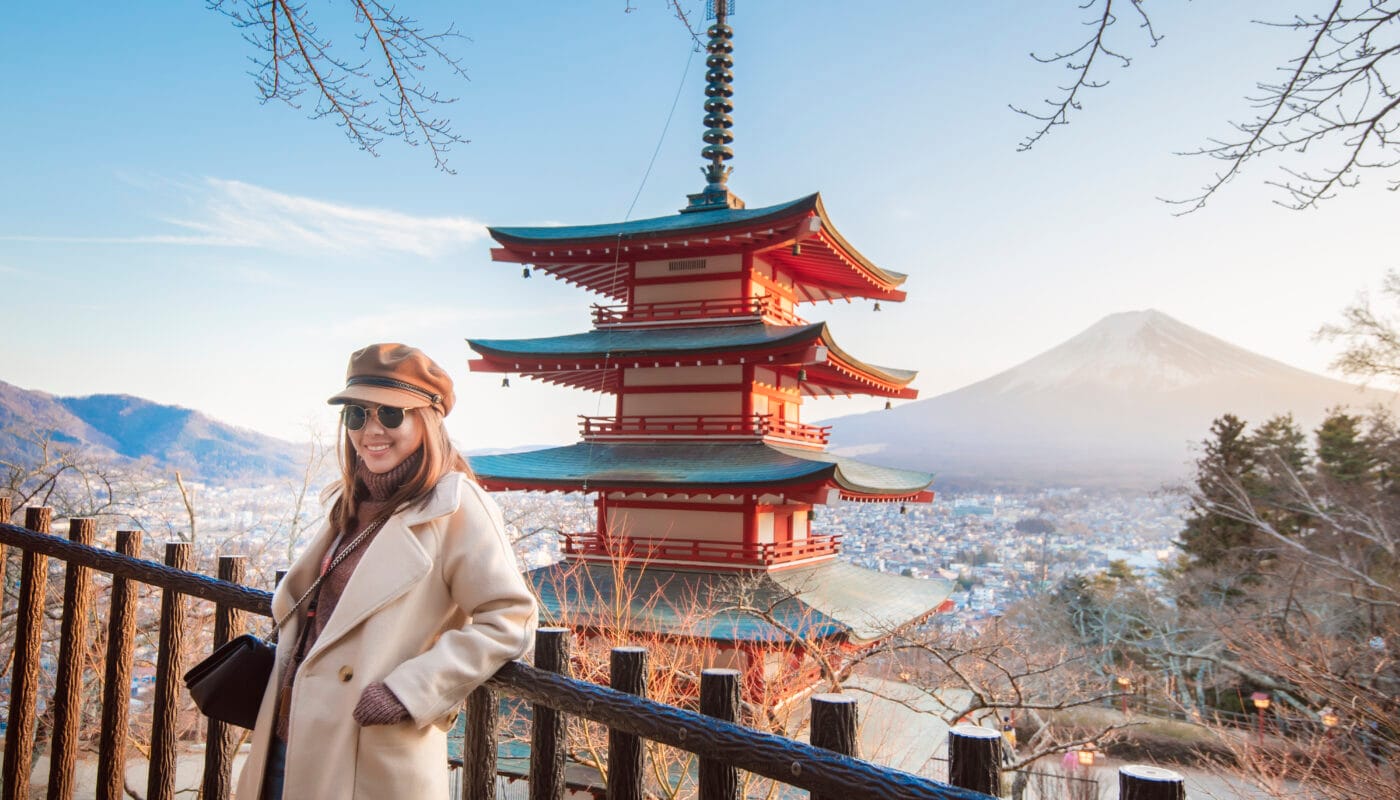
Japan is a country of diverse landscapes and rich cultural experiences, making it a popular destination for travelers year-round. Understanding the best time to visit Japan involves considering various factors such as weather patterns, travel costs, and cultural events. This guide will help you navigate these elements to plan your trip effectively. Many travelers face challenges in selecting the ideal time to visit due to fluctuating weather conditions and varying costs throughout the year. By exploring Japan’s seasonal highlights, you can optimize your travel experience and enjoy the best that this beautiful country has to offer. This article will cover the best months for visiting Japan, how travel costs vary by season, major cultural events, the impact of tourist crowds, essential travel tips, and how climate change is influencing travel seasons.
Academic studies further emphasize the complex nature of tourism seasonality in Japan, analyzing demand fluctuations and seasonal pattern changes across different regions.
Japan Tourism Seasonality: Demand & Pattern Analysis
Seasonality of tourism demand witnesses fluctuations over multiple years. The fluctuations and seasonality often cause seasonal pattern changes. This study presents a new seasonal measurement that considers the stability of seasonal patterns. The measurement is based on a seasonal index and expressed interval-valued data, which are a kind of symbolic data. As a case study, the new measurements are calculated from Japanese overnight data from 2011 to 2019 and the results classify the seasonal patterns of 47 prefectures using a hierarchical clustering method for interval-valued data based on Ward’s method. The analysis results indicate that there are differences in not only seasonal patterns but also their stability between domestic overnight demand and inbound overnight demand.
New seasonal measurement with stability and clustering seasonal patterns: A case study in Japan from 2011 to 2019, Y Ogasawara, 2011
When is the Best Month to Visit Japan for Ideal Weather and Experiences?
Choosing the best month to visit Japan largely depends on the weather and the experiences you seek. Japan’s climate varies significantly across its regions, with distinct seasonal changes that affect travel conditions. Understanding these patterns can help you select the optimal time for your visit.
What Are Japan’s Weather Patterns by Month?
Japan experiences four distinct seasons: spring, summer, autumn, and winter. Each season brings unique weather patterns and experiences.
- Spring (March to May): Temperatures range from 10 6C to 20 6C (50 6F to 68 6F), with cherry blossoms blooming in late March to early April, creating picturesque landscapes.
- Summer (June to August): Expect hot and humid conditions, with temperatures often exceeding 30 6C (86 6F). This season also marks the typhoon season, particularly in September.
- Autumn (September to November): Temperatures cool down to 10 6C to 20 6C (50 6F to 68 6F), and the autumn foliage peaks from mid-November to early December, offering stunning views.
- Winter (December to February): Cold temperatures, often below 0 6C (32 6F), dominate this season, especially in northern regions, making it ideal for winter sports enthusiasts.
These weather patterns significantly influence travel experiences, making spring and autumn particularly popular for visitors.
How Do Seasonal Changes Affect Travel Conditions in Japan?
Seasonal changes in Japan can impact travel logistics and experiences. For instance, spring and autumn are characterized by mild weather, making it easier to explore cities and rural areas. However, summer’s heat and humidity can lead to discomfort, especially for outdoor activities. Additionally, winter brings snow to northern regions, creating opportunities for skiing and snowboarding, but also necessitating warm clothing and careful travel planning. Understanding these seasonal impacts can help travelers prepare adequately for their trips.
How Do Travel Costs in Japan Vary by Season?
Travel costs in Japan fluctuate significantly depending on the season. Understanding these variations can help travelers budget effectively for their trips.
What Are Typical Japan Travel Costs During Peak and Off-Peak Seasons?
Travel costs in Japan are generally higher during peak seasons, which include cherry blossom season in spring and the autumn foliage season. During these times, accommodation prices can increase by 30-50%, and popular attractions may charge higher entry fees. Conversely, off-peak seasons, such as winter, often see lower prices for hotels and flights, making it a more budget-friendly option for travelers.
Further research delves into the specifics of how seasonality impacts travel expenditure and the strategies employed to manage these fluctuations in Japan’s tourism sector.
Japan Travel Costs: Seasonality & Expenditure Trends
Addressing seasonality for the travel industry has been a challenge for many tourist destinations. Japan is no exception, and with its recent focus on developing into a tourism nation, it has become even more critical to understand seasonality trends. Methods to address seasonality, such as differential pricing, diversified attraction, market diversification, and facilitation by the state will require the segmentation of themarket to formappropriate strategies. Therefore, to provide insight into the seasonality of different markets, this paper categorises the travel-related expenditure into six consumption items for three travel purposes: holiday travel, visiting friends and relatives (vfr) travel, and business travel. It examines the trends and characteristics of the seasonality and the fluctuation across the fiscal years from2010 to 2017 for domestic travel in Japan.
Examining the seasonality of travel-related expenditure by travel purpose: The case of Japan, 2019
How Can Travelers Budget for Seasonal Price Fluctuations in Japan?
To budget effectively for seasonal price fluctuations, travelers should consider the following strategies:
- Book in Advance: Secure accommodations and transportation early to lock in lower rates.
- Travel During Off-Peak Times: Consider visiting during the winter months or late autumn to take advantage of lower prices.
- Use Price Tracking Tools: Utilize online tools to monitor flight and hotel prices, allowing for timely bookings when prices drop.
By implementing these strategies, travelers can enjoy Japan’s beauty without overspending.
What Are the Major Cultural Events and Festivals in Japan Throughout the Year?
Japan is renowned for its vibrant cultural events and festivals, which are integral to its identity. Understanding these events can enhance your travel experience.
When Does the Cherry Blossom Season Occur and What Makes It Special?
The cherry blossom season, or Hanami, typically occurs from late March to early April. This event is celebrated nationwide, with parks and gardens filled with people enjoying picnics under blooming cherry trees. The fleeting beauty of the blossoms symbolizes the transient nature of life, making it a culturally significant time for many Japanese people.
Which Other Key Festivals Should Travelers Experience in Each Season?
In addition to cherry blossoms, Japan hosts numerous festivals throughout the year:
- Gion Matsuri (July): A month-long festival in Kyoto featuring parades and traditional floats.
- Aoi Matsuri (May): A historical festival in Kyoto showcasing ancient costumes and rituals.
- O-bon (August): A Buddhist festival honoring deceased ancestors, celebrated with lanterns and dances.
These festivals provide unique insights into Japanese culture and traditions, making them must-see events for travelers.
How Do Tourist Crowds and Peak Seasons Affect Travel in Japan?
Tourist crowds can significantly impact travel experiences in Japan, particularly during peak seasons.
What Are Japan’s Peak Tourist Seasons and Their Impact on Travel?
Peak tourist seasons in Japan coincide with major events like cherry blossom season and autumn foliage. During these times, popular attractions can become overcrowded, leading to longer wait times and a less enjoyable experience. Additionally, transportation systems may be busier, making it essential for travelers to plan their itineraries carefully.
How Can Travelers Avoid Crowds While Enjoying Seasonal Highlights?
To avoid crowds while still enjoying Japan’s seasonal highlights, consider the following tips:
- Visit Lesser-Known Locations: Explore off-the-beaten-path destinations that offer similar experiences without the crowds.
- Travel During Weekdays: Plan visits to popular attractions on weekdays rather than weekends to minimize wait times.
- Arrive Early: Get to attractions early in the morning to enjoy a quieter experience before the crowds arrive.
By employing these strategies, travelers can enjoy Japan’s beauty while minimizing the impact of tourist crowds.
What Are Essential Travel Tips for Visiting Japan in Each Season?
Traveling to Japan requires some preparation to ensure a smooth experience, especially considering the seasonal variations.
What Should Travelers Pack for Japan’s Spring, Summer, Autumn, and Winter?
Packing appropriately for Japan’s seasons is crucial. Here are some essential items for each season:
- Spring: Light layers, a waterproof jacket for potential rain, and comfortable walking shoes for cherry blossom viewing.
- Summer: Lightweight clothing, sunscreen, and a hat to protect against the sun, along with an umbrella for sudden rain.
- Autumn: Warm layers, a light jacket, and comfortable shoes for exploring the beautiful fall foliage.
- Winter: Heavy coats, thermal layers, and waterproof boots for snow-covered regions.
How Does Weather Influence Transportation and Activities Across Seasons?
Weather conditions can significantly influence transportation options and activities in Japan. For example, heavy snowfall in winter may disrupt train services in northern regions, while summer heat can make outdoor activities less enjoyable. Travelers should stay informed about weather forecasts and plan their activities accordingly to ensure a pleasant experience.
How Are Climate Change and Recent Trends Affecting Japan’s Travel Seasons?
Climate change is increasingly impacting Japan’s travel seasons, leading to shifts in weather patterns and seasonal experiences.
What Are the Latest Tourism and Weather Trends in Japan for 2024-2026?
Recent studies indicate that Japan may experience more extreme weather events, including heavier rainfall and hotter summers. These changes could affect traditional travel seasons, making it essential for travelers to stay updated on climate trends when planning their trips.
How Should Travelers Adapt Plans Based on Changing Climate Patterns?
To adapt to changing climate patterns, travelers should consider the following strategies:
- Stay Flexible: Be prepared to adjust travel plans based on weather forecasts and conditions.
- Research Alternatives: Look for indoor activities or alternative destinations that may be less affected by adverse weather.
- Monitor Climate Trends: Use reliable sources to stay informed about long-term climate changes that may impact travel plans.
By being proactive and adaptable, travelers can navigate the challenges posed by climate change while enjoying their time in Japan.
